Please fill out the form below to request a quote or to request more information about us. please be as detailed as possible in your message, and we will get back to you as soon as possible with a response. we're ready to start working on your new project, contact us now to get started.
How Does Flat Yarn Extrusion Impact PP Woven Bag Tensile Strength?
2026-10-27
Nanning Endian Plastic Packaging Co.,Ltd.
14
In the ever-evolving world of packaging materials, the strength and durability of polypropylene (PP) woven bags are critical for a multitude of applications, from agricultural use to industrial packaging. But have you ever considered how the process of flat yarn extrusion influences these vital properties? In our in-depth exploration, “How Does Flat Yarn Extrusion Impact PP Woven Bag Tensile Strength?”, we delve into the intricate relationship between yarn production techniques and the resultant performance of woven bags. Discover how innovations in flat yarn extrusion can enhance tensile strength, reduce material waste, and ultimately contribute to the sustainability of the packaging industry. Whether you’re a manufacturer, designer, or simply curious about packaging technologies, this article will shed light on the essential factors that determine the reliability and efficiency of PP woven bags. Read on to unlock insights that could transform your understanding of packaging performance!
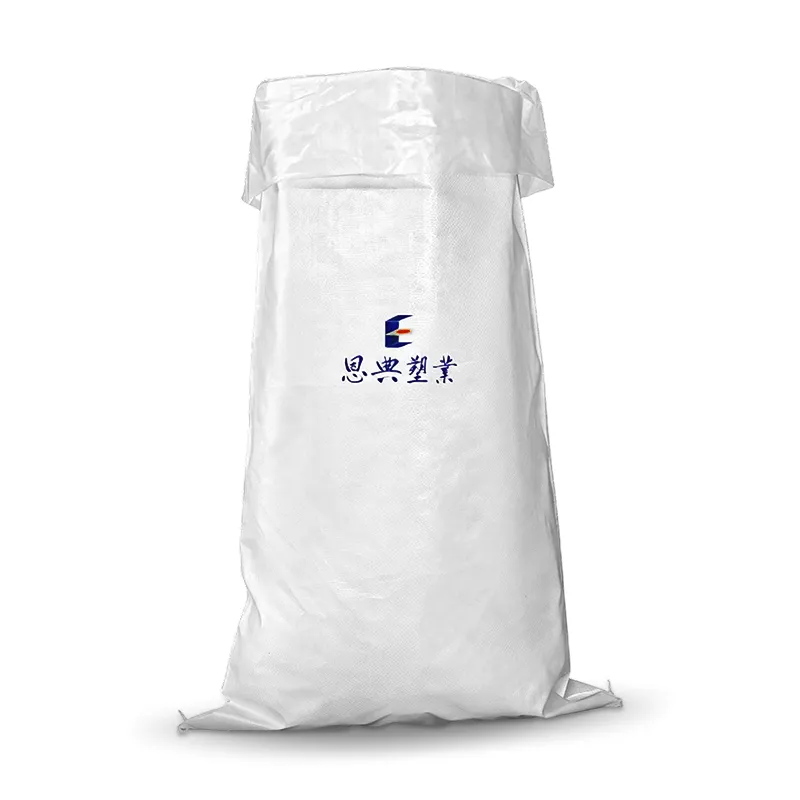
Understanding Flat Yarn Extrusion: The Basics and Process
The Basics of Flat Yarn Extrusion
At its core, flat yarn extrusion is a thermoplastic processing technique that transforms granulated PP into continuous flat yarns. This process begins with the collection of polypropylene resin pellets, which are then heated to a temperature sufficient to melt the plastic. The molten PP is then forced through a flat die, resulting in thin sheets of material. These sheets are cooled, stretched, and finally wound into spools of flat yarn.
The flat yarn produced through this process possesses a unique structure that can enhance the performance of woven bags. Unlike conventional round yarns, flat yarns provide a larger surface area. This increased surface area allows for better interlocking during the weaving process, ultimately leading to bags that exhibit superior tensile strength and durability.
The Extrusion Process
The flat yarn extrusion process involves several critical steps, each of which contributes to the quality and performance of the final product.
Material Preparation: High-quality PP resin is selected, often based on specific properties required for the end product. Additives such as colorants or stabilizers can also be mixed during this stage to enhance the yarn's functionality.
Melting and Extrusion: The prepared materials are loaded into a hopper and fed into a barrel where they are subjected to heat. The molten polymer is then forced through a flat die, creating a continuous flat filament.
Cooling and Solidification: As the extruded yarn exits the die, it is cooled rapidly, often using water baths or air cooling systems. This step is critical, as the cooling rate can influence the yarn’s crystallinity and, consequently, its mechanical properties.
Stretching: After cooling, the ribbon-like flat yarn is stretched to align the molecular chains within the polymer. This orientation increases the tensile strength and elasticity of the yarn, making it more suitable for weaving into bags. The stretching process can also be finely tuned to achieve desired properties such as flexibility or stiffness.
Winding: The final step in the process involves winding the stretched yarn onto spools, ready for the weaving process. Proper handling during this phase ensures that the yarn maintains its quality and structural integrity.
Impact on PP Woven Bag Tensile Strength
The relationship between flat yarn extrusion and the tensile strength of PP woven bags is profound. The specific characteristics of the flat yarn—such as its surface area, orientation, and strength—are central to the properties of the finished bags.
Tensile strength is particularly vital for PP woven bags, as these bags must withstand heavy loads and resist tearing during use. Flat yarns, due to their larger surface area, enhance the inter-fiber friction in the woven structure. This increased friction results in improved load distribution across the bag, minimizing the risk of failure under tension.
Furthermore, the stretching process applied during extrusion is crucial for developing the tensile properties of the polypropylene. The orientation of the molecular chains significantly influences the yarn's strength. As the chains are aligned through stretching, they become more resistant to deformation, allowing the woven bag to maintain its shape and integrity under load.
In addition to tensile strength, flat yarns can also influence other performance aspects of PP woven bags, such as UV resistance and overall durability. These factors are especially crucial for applications in outdoor settings where environmental exposure is a concern.
In conclusion, understanding the flat yarn extrusion process is essential for anyone involved in the production and application of PP woven bags. This intricate process shapes the yarn’s properties, which directly translate to the functional capabilities of the bags. By optimizing the extrusion parameters, manufacturers can significantly enhance the performance and longevity of PP woven bags, making them a preferred choice in various industries.
The Role of Polymer Properties in Flat Yarn Production
In the production of flat yarns for PP (polypropylene) woven bags, the selection and utilization of polymer properties play a crucial role in determining the mechanical performance and durability of the final product. The process of creating flat yarn starts with the extrusion of polypropylene pellets, which involves transforming raw materials into a continuous filament that can be woven into fabric. Understanding the polymer properties and how they affect the qualities of flat yarn is essential for manufacturers looking to optimize the tensile strength and overall performance of PP woven bags.
Properties of Polypropylene
Polypropylene is a versatile thermoplastic polymer known for its excellent resistance to chemicals, fatigue, and impact. It possesses a low density, making it lightweight, while also presenting a favorable balance between stiffness and flexibility. One of the key properties that influence the production of flat yarn is the melt flow index (MFI), which indicates how easily the polymer can be processed. A low MFI signifies higher viscosity, which is beneficial for producing thicker, stronger filaments, while a higher MFI promotes better flow and the production of finer and lighter yarns.
Moreover, the molecular weight and crystallinity of polypropylene directly impact its strength characteristics. Polymers with higher molecular weight tend to exhibit improved tensile strength, which is critical for applications such as PP woven bags that must withstand significant mechanical stress. Manufacturers often engineer polymer blends to enhance these properties, incorporating additives or copolymers to achieve desired characteristics including UV resistance, anti-static properties, and improved dyeability.
The Extrusion Process and Its Influence
The flat yarn extrusion process is fundamental in determining the final properties of the yarn. During extrusion, the melted polypropylene is forced through a die to shape it into flat tape-like structures. This process requires precise control over temperature, pressure, and cooling rates to ensure the properties of the polymer are not compromised. An ideal extrusion process results in a homogeneous blend of polymer that maintains the necessary characteristics for both durability and functionality.
Cooling the extruded yarn quickly can promote crystallization, which enhances tensile strength. Conversely, if the yarn cools too slowly, it might result in a lower degree of crystallinity, adversely affecting the mechanical properties. Post-extrusion, the yarn is often drawn or stretched, a process that further aligns the polymer chains and enhances strength. The degree of drawing can be adjusted mechanically to fine-tune the tensile strength and elasticity of the final product.
Weaving and Final Applications
Once the flat yarn is produced, it is used to create woven bags, where its properties truly come to the forefront. The tensile strength provided by high-quality yarn is vital for the performance of PP woven bags, especially in loading and handling scenarios. Manufacturers of PP woven bags pay close attention to the properties of the flat yarn, as these directly influence the load capacity, tear resistance, and longevity of the bag.
Additionally, factors such as texture and surface finish of the flat yarn can affect the weaving process and the aesthetics of the final bag. Yarn with a smooth surface may weave differently compared to one with a textured finish, impacting both the look and performance of the bag. Understanding how these properties interact during weaving can help manufacturers create products that are not only stronger but also more appealing in terms of design.
Recycling and Sustainability Considerations
As consumer awareness around sustainability continues to grow, the role of polymer properties in producing environmentally friendly PP woven bags takes on new importance. Innovations in polymer materials, such as bio-based polypropylene and the incorporation of recycled content, are driving advancements in the industry. These alternative materials must still deliver comparable performance and durability, ensuring that the properties of flat yarn meet the rigorous demands of the market.
Incorporating recycled polypropylene into flat yarn production can reduce environmental impact while maintaining essential mechanical properties. However, care must be taken to ensure that the recycled content does not adversely affect the yarn's tensile strength or integrity. By striking a balance between sustainability and performance, manufacturers can contribute to a more circular economy in the plastic packaging sector.
In conclusion, the properties of polymers used in the production of flat yarn are integral to the manufacturing of durable, high-performance PP woven bags. By focusing on the relationship between polymer characteristics and the extrusion process, manufacturers can enhance the quality and functionality of their products, responding effectively to market demands while also embracing sustainability goals.
How Extrusion Parameters Influence Yarn Characteristics
PP woven bags, made from polypropylene, are widely used due to their lightweight, durability, and resistance to a variety of environmental factors. However, the physical characteristics of these bags, particularly their tensile strength, significantly depend on several extrusion parameters that shape the foundation of yarn properties. Understanding how these extrusion parameters influence yarn characteristics is essential for manufacturers looking to optimize the quality and performance of their PP woven bags.
The Extrusion Process and Its Significance
Extrusion is the process in which raw polypropylene resin is melted and formed into a continuous profile, which is subsequently drawn into yarns. The parameters set during the extrusion process—including temperature, pressure, cooling rate, and die design—play a crucial role in determining the yarn characteristics. Each of these factors can directly influence the molecular alignment and crystallinity of the yarn, which in turn affects the mechanical properties such as tensile strength, flexibility, and overall durability of the final woven bags.
Temperature Control in Extrusion
Temperature is one of the most critical parameters during the extrusion of PP yarns. A high extrusion temperature can result in better melting of the polypropylene pellets, leading to improved flow through the die. This smooth flow improves the uniformity of the yarn, reducing defects that can weaken the structure and reducing tensile strength. Conversely, excessively high temperatures may lead to thermal degradation of the polymer, resulting in brittleness or weak spots in the yarn. Therefore, maintaining an optimal temperature range, typically between 180°C to 220°C, is essential for producing strong and resilient PP yarns suitable for high-quality woven bags.
Extrusion Pressure: A Critical Factor
Another pivotal factor in the extrusion process is pressure. The pressure at which the molten polypropylene is pushed through the die affects the draw ratio—the extent to which the yarn is stretched after being extruded. A higher draw ratio generally leads to increased molecular orientation and crystallinity, enhancing the tensile strength of the yarn. However, excessive pressure can lead to stress concentration, creating areas of weakness that compromise the yarn’s overall integrity. Balancing the pressure settings during extrusion is crucial to achieve optimal yarn characteristics without compromising fabric strength.
Cooling Rate Considerations
Cooling rate is equally important in shaping the characteristics of the yarn. Rapid cooling helps in locking in the molecular structure established during extrusion, promoting higher crystalline areas within the yarn. This crystallinity directly correlates with the yarn's tensile properties. If the yarn cools too slowly, it may lead to inadequate molecular orientation, resulting in a flexible but weak structure that could fail under load. Manufacturers must, therefore, implement effective cooling strategies to optimize yarn performance for PP woven bags.
Die Design and Its Impact
The design of the die used in the extrusion process influences the yarn's cross-sectional shape, which has a profound impact on its mechanical properties. A die designed to produce a multi-filament structure can improve the surface area interacting with bonds during weaving, consequently increasing the strength of the final product. On the other hand, a poorly designed die can lead to uneven flow and inconsistency in yarn dimensions, undermining the tensile strength needed for robust PP woven bags.
Yarn Characteristics and PP Woven Bags
The influence of extrusion parameters on yarn characteristics ends up being a fundamental determinant of the performance of PP woven bags. The yarn, when properly extruded and processed, provides essential tensile strength required for heavy-duty applications, ranging from agricultural products to construction materials. As yarn properties enhance through optimized extrusion processes, the bags exhibit improved load-bearing capabilities, lower rates of wear and tear, and extended service life.
In conclusion, the intricate relationship between extrusion parameters and yarn characteristics forms the backbone of developing high-performance PP woven bags. By carefully controlling factors such as temperature, pressure, cooling rate, and die design, manufacturers can significantly enhance the tensile strength and overall quality of their woven bags, positioning their products as leading options in a competitive market. This understanding of the extrusion dynamics not only aids in producing superior yarns but also contributes to creating PP woven bags that meet the rigorous demands of modern-day applications.
Linking Flat Yarn Quality to PP Woven Bag Performance
The production of polypropylene (PP) woven bags has established itself as a cornerstone in packaging solutions across various industries. Institutions from agriculture to retail rely heavily on these bags, not only to protect their products but also to ensure their safe transportation. A crucial factor influencing the performance of PP woven bags is the quality of flat yarn used during manufacturing. The linkage between flat yarn quality and the resultant mechanical properties of woven bags—most notably tensile strength—opens a significant dialogue about performance optimization.
Flat yarn is produced through an extrusion process where polypropylene resin is heated and drawn into thin, flat filaments. The characteristics of this yarn are directly influenced by the extrusion conditions, including temperature, cooling rates, and the type of additives used. Variations in these parameters can dramatically affect the molecular alignment and crystallinity of the yarn, which in turn affects the mechanical properties of the PP woven bags formed from this material.
One fundamental attribute of flat yarn that correlates with the performance of PP woven bags is tensile strength. Tensile strength refers to the maximum amount of tensile (pulling) stress that a material can withstand before failure. In the case of PP woven bags, higher tensile strength signifies that the bags can carry heavier loads without tearing or rupturing, which is a critical requirement for industries that deal with bulk products, such as agriculture and construction.
Higher-quality flat yarn typically features improved molecular orientation due to controlled cooling and drawing during the extrusion process. This leads to enhanced tensile strength properties in the final product. When flat yarn has a sufficient molecular structure, it demonstrates exceptional strength under tension, thus improving the overall robustness of PP woven bags. Furthermore, the width and thickness of the yarn can also greatly impact the bag's tensile performance. Narrower, thicker yarns can provide better initial tensile properties but may influence the bag density and flexibility, affecting overall usage.
Moreover, the integration of additives during the yarn production process can also enhance performance characteristics. For instance, incorporating UV stabilizers extends the longevity of PP woven bags, particularly in outdoor environments where exposure to sunlight can lead to degradation. Similarly, anti-slip additives can improve the handling of bulk products, enabling safer transport and storage. The specifications of these additives, coupled with the base quality of the yarn, dictate the resultant bag performance, illustrating a direct link between flat yarn quality and PP woven bags' functional capabilities.
In terms of actual application, the type of flat yarn selected can influence not only tensile strength but also the weight and cost efficiency of the final product. Additionally, it is essential to balance quality with cost—while high-strength, premium flat yarns deliver superior performance, they also come with higher manufacturing costs. Companies must assess their specific requirements, including the intended use and potential load to be carried, to select the appropriate yarn grade that offers the best trade-off between cost and performance.
The design and integrity of PP woven bags are also inherently linked to the production processes involved. Advanced weaving techniques can allow manufacturers to maximize yarn properties, helping to produce bags that are not only optimized for tensile strength but also for durability and flexibility. The advancement of textile engineering means that manufacturers can refine their processes to ensure the consistency of flat yarn quality—leading to improvements across the board in the quality of PP woven bags.
Furthermore, quality control throughout the yarn production process plays a pivotal role. Regular testing of yarn samples for physical properties such as tensile strength, elongation, and resistance to environmental factors can provide essential insight. Ensuring that the flat yarn meets stringent quality specifications means that the end product—PP woven bags—can perform reliably under various conditions.
As industries continue to evolve and develop more demanding applications for PP woven bags, the ties between flat yarn quality and the bags' performance become increasingly relevant. Manufacturers are encouraged to invest in research and development to optimize their extrusion processes, maximize material performance, and innovate in yarn production technologies. Ultimately, the correlation between flat yarn quality and the mechanical integrity of PP woven bags will define the future of packaging solutions.
Evaluating the Effects on Tensile Strength and Durability in Applications
The textile industry continuously seeks innovative solutions to enhance the performance attributes of materials used across various applications. One such advancement is the use of flat yarn extrusion in the production of polypropylene (PP) woven bags. These bags are pivotal in numerous sectors due to their lightweight, durability, and cost-effectiveness. Understanding how flat yarn extrusion impacts the tensile strength and durability of PP woven bags is essential for manufacturers aiming to optimize their products for specific applications.
Tensile strength refers to the maximum amount of tensile (pulling) stress that a material can withstand before failing or breaking. In the context of PP woven bags, tensile strength is a critical property that directly influences the bag's performance, particularly under load-bearing conditions. The process of flat yarn extrusion plays a significant role in the overall mechanical properties of the PP woven fabric. During extrusion, polypropylene resin is melted and formed into flat yarns, which are then woven into bags. This method allows for the alignment of polymer chains in a way that enhances the strength of the resultant fabric.
One of the primary benefits of this extrusion process is the ability to control the yarn’s cross-sectional shape. By optimizing the shape and thickness of flat yarns, manufacturers can significantly improve the tensile strength of the woven bags without significantly increasing the weight or material costs. A flat yarn with a wider surface area can distribute stress more evenly across the fabric, thereby preventing localized failure points. This attribute is crucial when these woven bags are used to transport heavy loads, where even minor weaknesses could lead to catastrophic failures.
Moreover, the durability of PP woven bags is of paramount importance, especially in applications involving outdoor storage or transportation of goods in adverse weather conditions. The extrusion process influences factors such as UV stability, chemical resistance, and abrasion resistance—all pivotal in ensuring long-term usability. Polymers can be engineered during the extrusion phase to encapsulate UV stabilizers or other additives that enhance their performance against environmental stresses, prolonging the life of the bags.
Furthermore, the weave pattern of the PP fabric, influenced by the extrusion of flat yarns, significantly affects the bag's performance. A tighter weave pattern generally results in improved tear resistance and better overall durability, ensuring that the bags can withstand repeated use. This is particularly valuable in industries where sustainability and reusability are gaining traction. As businesses become more environmentally conscious, the demand for durable polypropylene bags that can endure multiple cycles without significant degradation is on the rise.
The application of flat yarn extrusion also intersects with technological advancements in quality control and monitoring during the manufacturing phase. Real-time monitoring systems can detect discrepancies in yarn thickness or tensile strength, allowing for immediate adjustments to be made during production. This level of precision ensures that the final product meets the necessary industry standards, which is essential in sectors such as agriculture, construction, and food packaging.
In addition to physical properties, economic considerations also play a vital role in evaluating the effects of flat yarn extrusion on PP woven bags. Enhanced tensile strength typically allows for the production of lighter bags capable of holding the same weight, which reduces material costs and shipping expenses. Additionally, the longer lifespan of these bags translates to lower replacement rates, benefiting both manufacturers and consumers in the long run.
The integration of flat yarn extrusion into the PP woven bag production process, therefore, not only enhances their tensile strength and durability but also provides manufacturers with an avenue for innovation and differentiation in a competitive market. As industries continue to expand their reliance on polypropylene woven bags, understanding these effects becomes crucial for developing products that meet the evolving demands of today's applications. The ongoing research and development in the field promise further advancements, ensuring that PP woven bags remain an integral part of packaging solutions in the future.
Conclusion
Table of Contents
GET IN TOUCH WITH Us
recommended articles
Global Leading Custom Flexible Packaging Manufacturer
Find Us Here
Contact Person: Shelly Mei
Phone: +86 18677149320
WhatsApp: 18076562999
Copyright © 2026 | Nanning Endian Plastic Packaging Co., Ltd. Sitemap