Please fill out the form below to request a quote or to request more information about us. please be as detailed as possible in your message, and we will get back to you as soon as possible with a response. we're ready to start working on your new project, contact us now to get started.
How Are High-Tensile PP Woven Fabrics Used In Geotechnical Engineering?
2026-10-28
Nanning Endian Plastic Packaging Co.,Ltd.
8
Exploring the Role of High-Tensile PP Woven Fabrics in Geotechnical Engineering
In the ever-evolving field of geotechnical engineering, the quest for innovative materials that enhance structural integrity while remaining cost-effective and sustainable is more critical than ever. One such breakthrough material making waves in this arena is high-tensile polypropylene (PP) woven fabric. Known for its impressive strength, durability, and lightweight nature, these fabrics are revolutionizing applications ranging from soil stabilization to erosion control. But how exactly are they utilized in the construction of safe and resilient infrastructures? In this article, we'll delve into the fascinating world of high-tensile PP woven fabrics, exploring their properties, benefits, and the transformative impact they have on modern engineering solutions. Join us as we uncover the myriad ways these robust materials are shaping the future of geotechnics and ensuring the stability of our built environment.
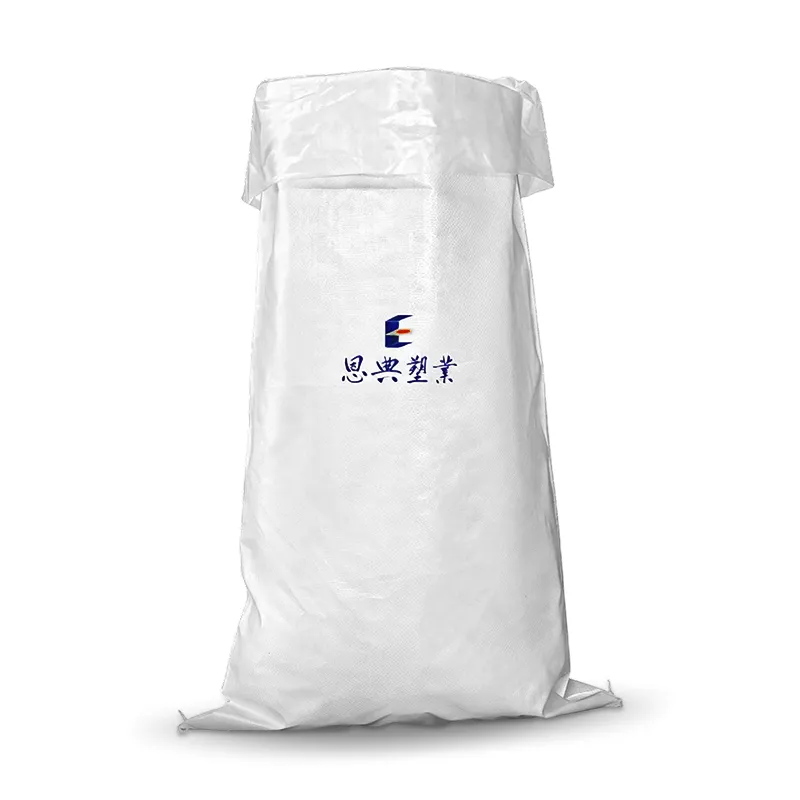
Understanding High-Tensile PP Woven Fabrics in Geotechnical Applications
At the heart of high-tensile PP woven fabrics is their robust construction, derived from the remarkable properties of polypropylene. Polypropylene is a thermoplastic polymer that is both lightweight and resistant to various environmental factors such as moisture and UV exposure. These properties make PP woven fabrics exceptionally durable and reliable for applications across different geotechnical projects, including road construction, erosion control, and landfill engineering.
One of the key advantages of high-tensile PP woven fabrics is their ability to provide soil reinforcement. Within the realm of geotechnical engineering, soil reinforcement refers to the process of improving the mechanical properties of soil to withstand heavier loads, resist deformation, and ultimately increase stability. When integrated into soil layers, these high-tensile fabrics enhance the tensile strength and load distribution capability of the soil. By doing so, they help prevent soil erosion, reduce settlement, and provide additional support to structures built atop them.
In applications such as retaining walls and embankments, the use of high-tensile PP woven fabrics has proven particularly effective. The implementation of these fabrics helps in distributing loads more evenly across the soil, mitigating the risks associated with overloading and potential failure of the structure. Similarly, in road design, the incorporation of PP woven fabrics can significantly improve the longevity and performance of roadways, thereby reducing maintenance costs and enhancing safety for users.
Another significant application of high-tensile PP woven fabrics is in erosion control. Erosion is a natural process that can be exacerbated by human activities, leading to significant soil loss and destabilization of landscapes. When used in conjunction with vegetation, PP woven fabrics provide a protective layer that supports seed germination and plant growth while effectively preventing surface erosion caused by wind and water. Their ability to stabilize soil and promote vegetation growth makes them an excellent choice for slope stabilization, riverbank protection, and construction site management.
Furthermore, the versatility of high-tensile PP woven fabrics extends to their usability in supporting drainage systems. These fabrics are often employed in the construction of geotextile drainage products that facilitate the efficient movement of water through soil layers. This application is crucial for maintaining proper water management in geotechnical projects, as it reduces the risk of waterlogging and promotes overall soil health. By allowing for effective drainage while providing structural support, these woven fabrics play a vital role in the sustainability of various geotechnical systems.
The environmental aspect of high-tensile PP woven fabrics cannot be overlooked either. Given the increasing emphasis on sustainable practices in construction and engineering, the use of these fabrics represents a step towards eco-friendly solutions. They can be manufactured using recycled materials and are recyclable themselves, thus minimizing waste and reducing the environmental footprint associated with traditional construction materials.
PP woven bags, often seen as a byproduct of the proliferation of PP woven fabrics in various industries, further illustrate the material's versatility. These bags are not only strong and durable but also lightweight, making them suitable for storage and transportation of materials in construction projects. Their utility extends beyond geotechnical applications into countless other areas, including agriculture, food packaging, and industrial uses.
In summary, high-tensile PP woven fabrics represent a transformative innovation in geotechnical engineering. Their strength, durability, and versatility make them indispensable for soil reinforcement, erosion control, drainage solutions, and overall structural integrity. As the demand for sustainable engineering practices rises, the role of materials such as PP woven fabrics will likely expand, offering new solutions to the challenges faced in geotechnical applications. By harnessing the properties of polypropylene, engineers can enhance the resilience and performance of their projects, paving the way for a safer and more efficient built environment.
Properties and Benefits of High-Tensile Polypropylene Woven Fabrics
High-tensile polypropylene (PP) woven fabrics have carved a niche for themselves in various industrial applications, particularly in geotechnical engineering. These fabrics, often utilized in the creation of durable, versatile, and high-performance geosynthetics, exhibit a unique combination of mechanical properties that make them ideal for various engineering challenges. Understanding their core properties and benefits is paramount for effectively leveraging their potential, especially in the context of geotechnical applications.
One of the most significant properties of high-tensile PP woven fabrics is their exceptional tensile strength. Made from polypropylene fibers woven together in a structured format, these fabrics can withstand significant loads without stretching or deforming. The high tensile strength is particularly critical in geotechnical engineering, where fabric must endure the weight of soil, rocks, and other materials, while also contributing to the stability of slopes, retaining walls, and foundations. The strength-to-weight ratio of high-tensile PP woven fabrics further enhances their feasibility in construction projects, as they are lightweight yet robust, making them easier to handle and install.
Another essential property of PP woven fabrics is their resistance to moisture and chemical exposure. Polypropylene is inherently hydrophobic, which means it resists water absorption and is less susceptible to degradation from moisture. This property is vital in environments that experience varying levels of humidity or water intrusion, such as in drainage systems or landfill liners. Additionally, PP woven fabrics exhibit remarkable resistance to a range of chemicals, including acids, alkalis, and organic solvents, making them suitable for applications in environments that might otherwise degrade traditional materials.
The durability of high-tensile PP woven fabrics is also noteworthy. They are engineered to withstand the harsh conditions characteristic of geotechnical sites, including extreme weather, UV radiation, and mechanical stress. This durability ensures a long lifespan, reducing the frequency of replacements and maintenance while providing a cost-effective solution for various applications. The ability to resist wear and tear means these fabrics can perform effectively over extended periods, contributing to the long-term stability and safety of engineering projects.
Moreover, high-tensile PP woven fabrics are tailorable to specific project requirements. Manufacturers can adjust the weave patterns, weights, and tensile characteristics to meet the exact demands of respective engineering applications. This level of customization allows for optimized performance in demanding environments. Whether used for soil stabilization on construction sites or as a protective barrier in landfill environments, the versatility of PP woven fabrics is a significant benefit that engineers can leverage.
Additionally, the environmental impact of high-tensile PP woven fabrics is a notable consideration. Polypropylene is a thermoplastic polymer that can be recycled, contributing to sustainable practices in construction and engineering. By utilizing recyclable materials, projects can minimize their carbon footprint and align with modern practices focused on sustainability and environmental responsibility. Many manufacturers ensure that their products comply with environmental regulations, allowing engineers to specify materials that are both effective and eco-friendly.
High-tensile PP woven fabrics find diverse applications within geotechnical engineering. They are commonly employed in erosion control mats, geogrids for soil reinforcement, separator layers in landfill design, and permeable ground sheets that facilitate drainage while preventing soil from washing away. Their adaptability means they can be integrated into various designs and structures effectively, serving as critical components in complex engineering solutions.
In the broader context of the packaging industry, PP woven bags are synonymous with quality and reliability. These bags are often manufactured using high-tensile polypropylene woven fabrics, providing manufacturers with an additional advantage. The same properties that make PP woven fabrics suitable for geotechnical engineering—like strength, durability, and moisture resistance—translate effectively into the packaging realm. High-tensile PP woven bags are widely acclaimed for their robustness, featuring numerous practical applications such as bulk packaging of agricultural products, construction materials, and industrial goods.
In conclusion, the properties and benefits of high-tensile polypropylene woven fabrics create a strong foundation for their usage in geotechnical engineering and beyond. Their tensile strength, moisture resistance, durability, adaptability, and environmental advantages position them as indispensable materials in various industrial applications, enabling engineers and manufacturers to achieve optimal results in challenging environments.
Key Applications of PP Woven Fabrics in Ground Stabilization and Reinforcement
Soil Stabilization
One of the primary applications of PP woven fabrics is in soil stabilization. The strength of these fabrics allows them to distribute loads evenly across the soil surface, effectively increasing the bearing capacity of the ground. In construction projects where heavy machinery will be used or where roads will require robust support, the implementation of PP woven fabrics can transform weak soils into competent bases. This application is particularly beneficial in areas with expansive soils or regions susceptible to liquefaction, where the ground may not provide adequate support for structural loads.
The technique involves layering the PP woven fabrics within the soil, creating a composite material that enhances the overall structural integrity. By doing so, the fabrics prevent soil displacement and reduce the likelihood of differential settlement, which can lead to severe structural failure. For instance, when constructing roadways, using PP woven fabrics in the subgrade can significantly prolong the lifespan of the pavement, making it less susceptible to cracking and deformation caused by heavy traffic.
Erosion Control and Retaining Walls
Another crucial application of PP woven fabrics is in erosion control and the construction of retaining walls. Erosion can lead to significant soil loss and instability, particularly in steep terrain or during heavy rainfall. PP woven fabrics can be utilized as a geogrid or geotextile to reinforce earth structures, helping to hold soil in place and prevent erosion.
When used in conjunction with geosynthetic materials, these fabrics enhance the stability of retaining walls, allowing for the construction of taller and more efficient structures. Their tensile strength enables them to withstand lateral earth pressure, providing added security against soil movement. Furthermore, the fabric’s ability to promote vegetative growth makes it an ideal choice for creating green walls and slope stabilization, presenting an environmentally friendly solution to soil erosion.
Sustainable Drainage Systems
The lightweight nature and water-resistant properties of PP woven fabrics also lend themselves to innovative applications in sustainable drainage systems. In situations where excess water management is critical—such as in urban environments or areas prone to flooding—these fabrics can be used as filtration media within drainage systems. The design of drainage layers incorporating PP woven fabrics allows for efficient water flow, while simultaneously filtering out sediments and contaminants.
By integrating PP woven fabrics into drainage designs, engineers can enhance groundwater recharge and reduce surface runoff. This reduces the demand on municipal drainage systems and promotes a more sustainable approach to managing stormwater. Moreover, the longevity of these fabrics ensures that maintenance and replacement needs are minimized, presenting an economically viable solution for municipalities.
Road and Pavement Reinforcement
PP woven fabrics are increasingly being utilized in road and pavement reinforcement projects. Their unique structural properties offer solutions for preventing pavement cracking and extending the lifespan of road surfaces. By laying these fabrics beneath asphalt layers, they provide additional tensile strength that helps to absorb and distribute the stresses caused by heavy traffic loads and temperature fluctuations.
Recent studies in geotechnical engineering have demonstrated that roads treated with PP woven fabrics experience significantly less deformation and cracking compared to conventional roads. This application not only saves on long-term maintenance costs but also ensures safer travel conditions for vehicles, making it a widely adopted technique in modern infrastructure projects.
In conclusion, the versatility of PP woven fabrics in ground stabilization and reinforcement applications marks a significant contribution to geotechnical engineering. With their ability to improve load distribution, enhance soil strength, and control erosion, these fabrics are revolutionizing how engineers approach challenges related to soil and structural integrity. As technology evolves and environmental conditions change, the use of PP woven fabrics is likely to become even more integral to the development of sustainable and resilient infrastructure systems. The increasing dependency on such engineered solutions underscores the critical role that high-tensile PP woven fabrics will play in the future of construction and civil engineering projects.
Innovative Techniques for Incorporating PP Fabrics in Geotechnical Projects
The Versatility of PP Woven Fabrics
PP woven fabrics are manufactured from woven polypropylene strands, creating a robust yet flexible material ideal for various geotechnical applications. The unique properties of these fabrics, such as resistance to rot, mildew, and UV radiation, enhance their performance in projects that require long-term durability. These materials are primarily known for soil stabilization, erosion control, and reinforcement of structures. However, novel techniques continuously emerge to leverage PP woven fabrics' full potential in geotechnical engineering.
Innovative Reinforcement Techniques
One of the most significant advancements in using PP woven fabrics in geotechnical applications has been their incorporation as reinforcement elements in soil structures. For instance, geogrids made from PP fabrics can enhance the load-bearing capacity of soil by providing lateral restraint and contributing to improved shear strength. Innovative design approaches include integrating these grids into the soil profile where high load-bearing capacity is necessary, such as beneath roads or building foundations.
The application of PP woven bags for soil reinforcement has also gained attention. Engineers fill these bags with granular soil or other materials, effectively creating a composite structure. This method serves not only as a form of reinforcement but also provides an erosion-control solution by stabilizing slopes, stream banks, and earthworks. The adaptability in terms of size and shape also allows engineers to utilize these bags in various contexts, making them a valuable resource for customized project needs.
Geo-Textile Solutions for Erosion Control
Inhabiting coastal and riverbank areas requires proactive measures to combat erosion, making effective soil management a priority. PP woven fabrics can be utilized as geotextiles to create permeable membranes that facilitate drainage while protecting against soil erosion. Innovative applications include establishing barriers that allow water to pass while trapping soil particles, substantially reducing the risk of sediment loss.
Particularly noteworthy is the use of biodegradable PP woven bags in conjunction with vegetation. During construction, these bags can be filled with soil and strategically placed along vulnerable areas. Over time, plants can take root within the bags, helping to create a natural barrier that fortifies the landscape against the erosive forces of water and wind while enhancing biodiversity. This synergy of engineering and nature exemplifies an innovative technique born from incorporating PP woven bags into geotechnical considerations.
Ground Improvement Techniques
Ground improvement techniques often focus on soil enhancement strategies to increase load carriage capacity or reduce settlement potential. PP woven fabrics can be utilized in conjunction with methods such as soil grouting and in-situ stabilization. By integrating these fabrics into the ground improvement process, engineers can create a more effective bonding matrix, which enhances the soil's cohesion and compressive strength.
The use of PP woven bags filled with specific materials can also introduce a method that involves vertical drainage combined with soil reinforcement. These bags can be placed strategically within the soil profile, providing a path for excess water to escape while enforcing structural integrity. This technique is particularly useful in areas with clayey soil, where rapid drainage and reinforcement are critical.
Future Trends and Developments in High-Tensile PP Woven Fabric Technology
High-tensile polypropylene (PP) woven fabrics have gained immense significance in various industries, particularly in geotechnical engineering. With the increasing need for durable, lightweight, and cost-effective solutions in the construction and civil engineering sectors, the demand for high-tensile PP woven fabrics is expected to grow significantly. These fabrics, typically produced from high-density polyethylene and polypropylene, are preferred for applications like erosion control, soil stabilization, and retaining walls, among others.
Advancements in Material Science
One of the primary areas of future technological evolution in PP woven fabric pertains to advancements in material science. Researchers and manufacturers are actively exploring the integration of nanotechnology into the production process, which could significantly enhance the mechanical properties of these fabrics. For instance, the incorporation of nanosilica or carbon nanotubes could improve tensile strength, flexibility, and resistance to environmental stresses. These developments promise to yield superior PP woven bags and geosynthetic products that spill over into applications beyond geotechnical engineering, offering extreme durability and performance in adverse conditions.
Eco-Friendly Innovations
As sustainability continues to be a pivotal concern, the next wave of high-tensile PP woven fabric technology is likely to focus on environmentally friendly practices. Recycling initiatives and the use of biodegradable materials are becoming more common in textile production. Innovations in biopolymers, such as PLA (polylactic acid), may eventually lead to the creation of woven fabrics that maintain high tensile strength while being more environmentally friendly. This transition aligns with the rising demand for sustainable practices, ensuring that the materials not only serve their intended purpose effectively but also align with eco-conscious principles.
Enhanced Production Techniques
The method by which PP woven fabrics are produced is also set to undergo significant upgrades. The advent of automated weaving processes utilizing advanced looms can greatly increase production efficiency while ensuring consistency in quality. 3D weaving techniques, for instance, offer the unique capability to produce complex fabric structures that can be tailored for specific geotechnical applications. The use of robotics and AI in quality control could foster higher productivity, reducing labor costs and minimizing human errors in the manufacturing process.
Multi-Functionality and Customization
Future trends in high-tensile PP woven fabric technology will likely emphasize multi-functionality. With the ability to integrate various properties—such as UV resistance, fire retardance, and moisture permeability—these fabrics can cater to a diverse range of applications in geotechnical engineering. For instance, researchers are working towards developing multifunctional reinforcement fabrics that not only provide strength but also facilitate drainage and soil moisture retention, making them indispensable in improving soil conditions and enhancing plant growth.
Customization will also become increasingly important as construction projects move towards being more project-specific. The ability to customize PP woven bags and fabrics to meet the exact requirements of a project—such as varying dimensions, weave patterns, and colors—will be a game-changer. Manufacturers can leverage advanced computational tools to design and produce tailored solutions that fit the unique needs of civil and geotechnical engineers, thereby improving project efficiency and outcomes.
Integration with Smart Technology
Another cutting-edge trend is the integration of smart technology into high-tensile PP woven fabric systems. The incorporation of IoT (Internet of Things) capabilities could revolutionize how these materials are used in geotechnical engineering. By embedding sensors within the woven fabric, engineers can monitor vital parameters such as strain, pressure, and temperature in real time. This data would allow for proactive maintenance and management, enhancing the reliability of structures, reducing downtime, and ultimately saving costs over the lifecycle of the project.
Conclusion
Table of Contents
GET IN TOUCH WITH Us
recommended articles
Global Leading Custom Flexible Packaging Manufacturer
Find Us Here
Contact Person: Shelly Mei
Phone: +86 18677149320
WhatsApp: 18076562999
Copyright © 2026 | Nanning Endian Plastic Packaging Co., Ltd. Sitemap