Please fill out the form below to request a quote or to request more information about us. please be as detailed as possible in your message, and we will get back to you as soon as possible with a response. we're ready to start working on your new project, contact us now to get started.
Are Your PP Woven Sacks Safe Enough For Direct Food Contact Packaging?
2026-10-29
Nanning Endian Plastic Packaging Co.,Ltd.
44
Are Your PP Woven Sacks Safe Enough for Direct Food Contact Packaging?
In the world of food packaging, safety is paramount—especially when it comes to direct contact with our edible goods. As industries increasingly turn to polypropylene (PP) woven sacks for their versatility and durability, a critical question arises: Are these sacks truly safe for food packaging? This article delves into the essentials of PP woven sack safety, exploring the regulations, material properties, and best practices for ensuring that your packaging meets health standards. Join us as we uncover the important considerations that every manufacturer and consumer should keep in mind to ensure food safety from packaging to plate. Your commitment to food safety starts here!
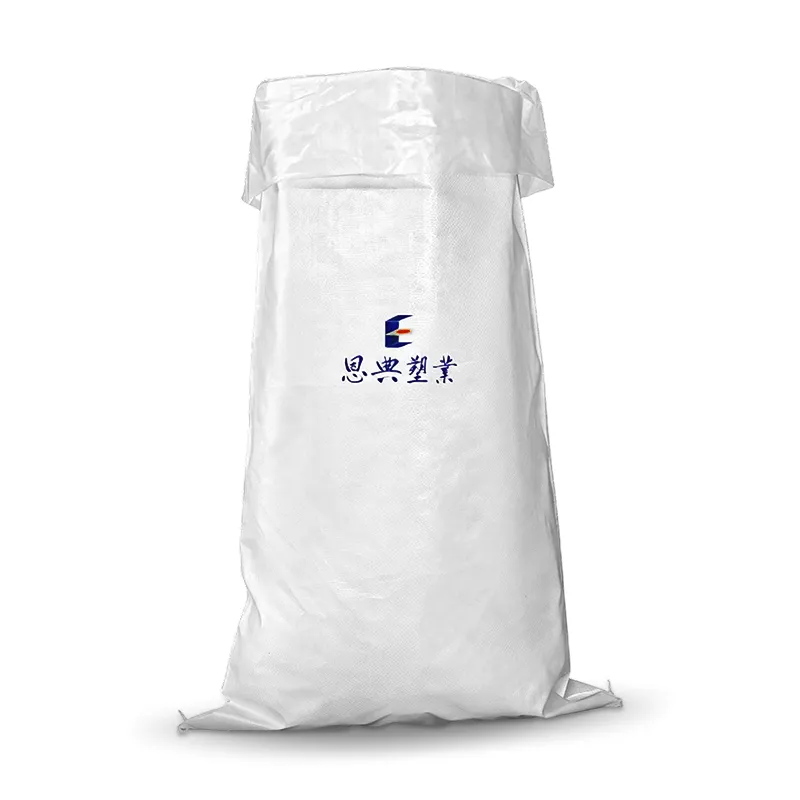
Understanding the Importance of Food Safety in Packaging
Understanding the Importance of Food Safety in Packaging: Are Your PP Woven Sacks Safe Enough for Direct Food Contact Packaging?
The Role of Food Packaging in Safety
Food packaging serves multiple purposes: it protects products from contamination, extends shelf life, provides information to consumers, and can even enhance the marketing appeal of the food item. However, the choice of materials used in packaging is critical, as improper or unsuitable materials can lead to contamination, spoilage, or even chemical leaching into the food. Therefore, the safety of packaging materials must always be prioritized.
Packaging must not only be functional but also safe, particularly when it comes to direct food contact. Inadequate attention to food safety in packaging can result in serious consequences, including foodborne illnesses, compromised food quality, and loss of consumer trust. As such, manufacturers need to ensure that packaging materials comply with established safety standards laid down by regulatory bodies.
The Case for PP Woven Bags
PP woven bags are widely used in various industries, including agriculture, retail, and construction, but their application in food packaging is particularly noteworthy. These bags are made from polypropylene fibers that are woven together, offering a robust structure capable of holding various food products, from grains and seeds to stacked fresh produce.
One of the most significant advantages of PP woven sacks is their durability. They are resistant to tearing, moisture, and chemicals, making them suitable for both storage and transportation. Moreover, these bags have a relatively high strength-to-weight ratio, allowing them to be both lightweight and sturdy. While these characteristics make PP woven bags appealing for food packaging, it raises questions about their safety, particularly when in direct contact with food items.
Evaluating Safety Standards
The safety of packaging materials like PP woven bags comes down to their compliance with food safety regulations. The U.S. Food and Drug Administration (FDA) and other equivalent bodies globally have stringent guidelines to determine whether a material is safe for direct food contact. These regulations assess the risk of harmful substances leaching into food as well as the overall integrity of the packaging material.
For manufacturers of PP woven bags, understanding compliance is crucial. They must ensure that the polypropylene used in their bags is food-grade, meaning it has been manufactured under stringent conditions and does not contain any harmful additives or contaminants. Certification from recognized organizations can also enhance consumer confidence in the safety of these products.
Potential Risks and Mitigation Strategies
Even though PP woven bags are generally considered safe, there are still potential risks associated with their use in food packaging. For instance, improper manufacturing processes can lead to the incorporation of unwanted substances, while inadequate storage conditions may cause the bags to become compromised over time.
To mitigate these risks, manufacturers should adopt best practices in production and quality control. This includes using virgin, food-grade polypropylene, conducting regular safety assessments, and implementing proper storage conditions to maintain the integrity of the bags. Additionally, providing information on safe usage and handling can empower consumers and businesses to prioritize food safety.
The Role of Consumer Awareness
In an era of increasing consumer awareness about food safety issues, it's vital for businesses to communicate transparently about their packaging choices. Providing clear information about the safety standards that PP woven bags meet, as well as any certifications from health authorities, can help build trust and ensure that consumers feel secure about their food choices.
In conclusion, the importance of food safety in packaging cannot be overstated. As the food industry continues to evolve, so too must the standards we apply to packaging materials like PP woven bags. By committing to safety and transparency, manufacturers can not only comply with regulations but also promote public health, helping to ensure that consumers receive safe, quality food products every time.
Key Materials and Standards for PP Woven Sacks
Polypropylene (PP) woven bags, commonly referred to as PP woven sacks, have gained immense popularity across various industries due to their durability, lightweight nature, and cost-effectiveness. Often utilized for packaging grains, fertilizers, ores, and even goods in the food industry, these sacks play a pivotal role in efficient transportation and storage. However, when it comes to using PP woven bags for direct food contact packaging, understanding the materials and standards involved in their production becomes crucial.
Composition of PP Woven Bags
At the core of PP woven sacks is polypropylene, a thermoplastic polymer that is both versatile and robust. This material is favored for its resistance to moisture, chemicals, UV light, and physical damage. The structure of PP woven bags often consists of woven strands of polypropylene fibers that are highly resilient yet lightweight. The manufacturing process involves extruding polypropylene into thin strands, then weaving these strands into a breathable fabric that can be stitched into bags of various sizes and forms.
An important factor in the production of PP woven bags is the inclusion of food-safe additives. These may include anti-static agents to help prevent dust build-up, UV stabilizers to enhance weather resistance, and colorants. While these additives can be beneficial, they also need stringent scrutiny to ensure they do not leach harmful substances into the food products they may come into contact with.
Standards for Food Safety
The FDA requires that any materials intended for food contact be made from substances that are generally recognized as safe (GRAS). This determination ensures that components used in the manufacturing of PP woven bags do not contain harmful chemicals, such as heavy metals or hazardous additives, that could migrate into food.
In addition to FDA guidelines, many companies manufacturing PP woven sacks often choose to comply with international standards set by organizations such as the International Organization for Standardization (ISO) or the Association of Plastic Recyclers (APR). The ISO 22000 certification focuses on food safety management systems and could be instrumental in further assuring customers of the safety of using PP woven bags for food packaging applications.
Migration Testing and Quality Assurance
One of the key aspects of ensuring the safety of PP woven sacks for direct food contact is migration testing. This process evaluates whether any substances from the bags will migrate into the food. Various factors, including temperature, acidity, and contact time, can influence the migration rate of additives or contaminants from the bag to the food inside.
To guarantee food safety, manufacturers utilize various testing methods, such as simulant tests. These tests involve using food simulants – substances that mimic food characteristics – to assess the compatibility of PP woven bags with specific food items. Additionally, regular audits and quality assurance practices involving third-party inspections help ensure that PP woven sack production remains compliant with safety standards over time.
Sustainability Considerations
In recent years, the conversation around packaging has extended beyond immediate safety concerns to encompass environmental implications. Sustainable practices in the packaging industry are increasingly important, and many manufacturers are looking towards innovations like biodegradable additives and recyclable materials for their PP woven sacks.
While sustained performance and safety standards are paramount, the incorporation of sustainability measures ensures that PP woven bags can meet the growing consumer expectations for environmentally-friendly packaging solutions. This approach not only helps companies in compliance with environmental regulations but also appeals to conscious consumers who prioritize eco-friendly practices.
The integrity of PP woven bags in direct food contact applications relies heavily on both the materials utilized in their construction and the adherence to established safety standards. Through rigorous testing and adherence to regulations, manufacturers can create safe, reliable, and sustainable options that not only protect contents but also support consumer confidence in the products they purchase. As industries continue to evolve and prioritize safety and environmental considerations, the role of PP woven sacks remains significant, illustrating the importance of stringent standards and quality materials in food packaging solutions.
Assessing the Risks of Chemical Migration in Packaging
As the world increasingly recognizes the importance of safety in food packaging, the focus has shifted toward the integrity and composition of materials utilized in packaging solutions. Among these, PP (polypropylene) woven bags have emerged as a popular choice for a variety of applications, primarily due to their versatility, strength, and cost-effectiveness. However, when it comes to direct contact with food products, the assessment of chemical migration risks becomes a paramount concern that cannot be overlooked.
Chemical migration refers to the transfer of substances from packaging materials into the food they contain. This phenomenon is particularly critical because consumers want to know that their food is not only safe to eat but also free from potentially harmful contaminants that could arise from the materials used in packaging. PP woven bags are widely used in the food industry for products like grains, flour, and animal feed. While these bags offer a number of benefits, there is a pressing need to evaluate whether they meet rigorous safety standards to prevent chemical migration.
Polypropylene is generally regarded as a safe plastic; however, various factors influence chemical migration. The composition of the PP woven bags, including the additives employed during production such as colorants, plasticizers, and stabilizers, can play a pivotal role in determining the level of risk. These substances can migrate into the food under certain conditions, which are often dictated by factors such as temperature, time, and the nature of the food itself. For instance, fatty foods can enhance the migration of certain additives due to their lipophilic nature, prompting an increased need for comprehensive safety assessments.
In the context of assessing these risks, it is essential to delve into the regulations governing food contact materials. Institutions such as the FDA (Food and Drug Administration) in the United States and the EFSA (European Food Safety Authority) in the European Union have established strict guidelines regarding the safety of materials used in food packaging. These regulations dictate acceptable migration limits for various substances to ensure that they do not pose health risks to consumers. Manufacturers of PP woven bags must be in compliance with these regulations and conduct thorough testing to ensure safety.
Testing for chemical migration typically involves evaluating both the finished packaging product and the specific conditions under which it will be used. Simulations of real-world scenarios, such as storage temperatures and exposure to different food types, are executed to determine potential migration levels. This testing process must also account for the longevity of exposure, as well as any potential degradation of the material over time.
Furthermore, the supply chain plays a critical role in ensuring that the PP woven bags used for food packaging are manufactured under rigorous quality controls. Traceability from raw material sourcing to the final bag production can instill confidence among consumers and businesses alike. Manufacturers should work closely with suppliers to ensure that the additives used in the production of PP woven bags are specifically chosen to minimize migration risks.
Another angle to consider is the growing consumer preference for transparency and sustainability in packaging. As eco-conscious choices become more prevalent among consumers, the demand for packaging solutions that are both safe and environmentally responsible continues to rise. This adds another layer of responsibility for manufacturers in the food packaging industry, as they must balance safety, chemical composition, and the environmental impact of their products.
Best Practices for Ensuring Safe Direct Food Contact
As the demand for sustainable and cost-effective packaging solutions continues to grow, Polypropylene (PP) woven bags have become a popular choice for a variety of industries, especially for food packaging. With their durability, lightweight nature, and versatility, these bags are not just functional; they also offer a significant reduction in environmental impact compared to traditional plastic options. However, when it comes to direct food contact, there are critical best practices that manufacturers and distributors should uphold to ensure consumer safety.
Understanding Material Safety Standards
Before selecting PP woven bags for food packaging, it's essential to understand the regulatory frameworks that govern food safety. Different regions and countries have specific compliance standards to ensure that packaging materials do not pose any risk to health. For instance, in the United States, the Food and Drug Administration (FDA) outlines guidelines that manufacturers must follow, including the materials used and their interaction with food products.
PP woven sacks should be made from food-grade polypropylene. It is crucial that manufacturers provide certification validating the material's compliance with food safety standards. These certificates should confirm that the bags contain no harmful chemicals or contaminants that could leach into the food.
Prevention of Chemical Migration
One of the main safety concerns with packaging is the potential for chemical migration from the packaging material into the food. Various factors can influence this, such as temperature, acidity, and fat content of the food product. Implementing best practices to prevent this migration is vital.
Use Food-Grade Additives: When manufacturing PP woven bags, use only food-safe additives and colorants. Additionally, companies can showcase their commitment to safety by opting for non-toxic, environmentally friendly additives.
Barrier Properties: Explore options that enhance the barrier properties of PP woven bags. Some treatments and coatings can provide a protective layer that minimizes the risk of substances migrating into food products. Manufacturers can work with suppliers who specialize in advanced barrier technologies to improve safety.
Testing for Migration: Implement routine testing protocols to evaluate potential chemical migration under various conditions, like extended shelf life and varying temperatures. These tests can help identify vulnerabilities in the packaging design and material.
Clean Manufacturing Practices
To ensure the safety of PP woven bags intended for food packaging, maintaining clean manufacturing practices is paramount. Manufacturing environments should adhere to stringent hygiene standards that prevent contamination during the production process. Key elements include:
Quality Control: Establish robust quality control measures to monitor the production process and finished products. Random samples should undergo testing to ensure they meet safety standards.
Hygienic Equipment: Use machinery that is easy to clean and maintain. A clean production line reduces the risk of introducing contaminants during manufacturing.
Consumer Education
An often-overlooked aspect of food safety in packaging is consumer education. Manufacturers should provide clear guidance on how to properly use and store products packaged in PP woven sacks. Packaging should indicate whether the sacks are suitable for direct contact with food and contain instructions on best practices, such as:
Storage conditions: Recommendations for temperature, humidity, and light exposure can help consumers maintain product integrity.
Proper handling techniques: Educating consumers on safe handling practices can also minimize risks associated with cross-contamination.
Traceability and Supply Chain Transparency
Traceability is essential in ensuring the safety of food products and their packaging. Consumers increasingly demand transparency regarding the origin of materials and manufacturing processes. Manufacturers should:
Implement a traceability system that allows tracking from the raw material source to the final product. This setup can quickly pinpoint any issues in the supply chain should safety concerns arise.
Share this information with customers, as it builds trust and enhances the brand's reputation.
Regular Regulatory Updates
The food safety landscape is continually evolving, as are the guidelines that govern it. Companies using PP woven sacks must stay informed about new regulations and best practices to ensure continuous compliance. Regular training sessions and updates for staff can help maintain awareness and ensure adherence to the latest standards.
By focusing on these best practices—material safety, chemical migration prevention, clean manufacturing, consumer education, traceability, and staying updated with regulations—manufacturers of PP woven sacks can significantly enhance the safety of their products for direct food contact. This proactive approach not only safeguards consumer health but also strengthens brand integrity and fosters a culture of safety within the food packaging ecosystem.
Regulatory Compliance and Certification for PP Woven Sacks
Understanding Regulatory Standards
The production and use of PP woven sacks for food packaging are governed by various regulations formulated by health and safety authorities, such as the U.S. Food and Drug Administration (FDA) and the European Food Safety Authority (EFSA). These organizations set forth guidelines that define the materials allowable for food contact, the testing protocols necessary to verify safety, and the labeling requirements needed to inform consumers.
In the United States, for instance, the FDA outlines specific criteria for materials that come into contact with food through the Code of Federal Regulations (CFR). Manufacturers producing PP woven bags intended for food use must ensure that the material is composed of food-grade polypropylene that does not leach harmful substances into the food it contains. The FDA also mandates that companies conduct migration tests, which measure the potential transfer of any chemical substance from the packaging into the food. This testing is a crucial step in verifying the safety of packaging materials.
Similarly, in Europe, the Regulation (EC) No. 1935/2004 establishes framework legislation for materials intended to come into contact with food. PP woven sacks must comply with these regulations, which include stringent testing for substances that may migrate into food, as well as adherence to good manufacturing practices (GMP). Furthermore, manufacturers must retain relevant documentation proving compliance, including test results and the raw materials used in production.
Certificate of Compliance
To facilitate market acceptance and ensure consumer trust, manufacturers of PP woven bags often seek certification from recognized third-party organizations. Such certifications serve as an assurance that the product meets or exceeds established safety standards. Certifications like ISO 22000 or BRCGS Packaging Materials are highly regarded in the industry, demonstrating that a company adheres to quality management systems specific to food safety.
Obtaining these certifications requires comprehensive documentation, including the results of safety testing, a thorough examination of the manufacturing processes, and the implementation of quality control measures. This certification not only boosts the credibility of PP woven bags but also makes it easier for manufacturers to penetrate markets requiring high compliance standards.
Importance of Traceability
Implementing traceability measures not only enhances safety and compliance but also demonstrates a company's commitment to quality and consumer safety. It allows for swift responses to any food safety crises by tracing back through the supply chain to identify and remedy the source of any contamination.
Sustainability Considerations
As regulatory frameworks continue to evolve, sustainability is becoming a significant factor in food packaging compliance. Many regulations now encourage or mandate the use of recyclable or biodegradable materials to minimize environmental impacts. Manufacturers of PP woven sacks must increasingly consider what happens to their products at the end of their lifecycle. Ensuring that these bags are easily recyclable or made from post-consumer materials can lead to better compliance with emerging sustainability regulations.
In conclusion, regulatory compliance and certification for PP woven sacks play an indispensable role in ensuring the safety of food packaging. By adhering to established regulations, obtaining necessary certifications, implementing traceability measures, and considering sustainability, manufacturers not only protect consumers but also enhance their reputation in the market. With these practices in place, PP woven bags can confidently contribute to the food supply chain, ensuring that the products are safe enough for direct food contact packaging.
Conclusion
In conclusion, ensuring the safety of PP woven sacks for direct food contact packaging is not just a regulatory requirement; it's a commitment to the health and well-being of consumers. With 20 years of experience in the industry, we understand the critical importance of quality, compliance, and innovation in packaging solutions. As we move forward, it is our responsibility to prioritize the use of safe materials and implement stringent testing protocols to provide peace of mind for both manufacturers and consumers. Let us work together to elevate industry standards, fostering trust and confidence in the packaging that carries our food. Your choice of packaging matters, and at our company, we are dedicated to delivering solutions that keep safety at the forefront.
Table of Contents
GET IN TOUCH WITH Us
recommended articles
Global Leading Custom Flexible Packaging Manufacturer
Find Us Here
Contact Person: Shelly Mei
Phone: +86 18677149320
WhatsApp: 18076562999
Copyright © 2026 | Nanning Endian Plastic Packaging Co., Ltd. Sitemap