Please fill out the form below to request a quote or to request more information about us. please be as detailed as possible in your message, and we will get back to you as soon as possible with a response. we're ready to start working on your new project, contact us now to get started.
Are PP Woven Bags Durable Enough For Fertilizer And Chemical Storage?
2026-10-29
Nanning Endian Plastic Packaging Co.,Ltd.
28
Are PP Woven Bags Durable Enough for Fertilizer and Chemical Storage?
In an era where environmental sustainability and efficient storage solutions are paramount, the question of material durability plays a critical role in various industries. Polypropylene (PP) woven bags have emerged as a popular choice for packaging due to their strength, versatility, and cost-effectiveness. But how do they stack up when it comes to storing fertilizers and chemicals—materials that demand both resilience and safety? In this article, we delve into the properties of PP woven bags, examining their performance under different conditions and their ability to protect sensitive contents. Join us as we explore whether these bags can withstand the demands of the agricultural and chemical industries, ensuring that your products are stored securely and effectively. Discover the insights you need to make informed decisions about your packaging options!
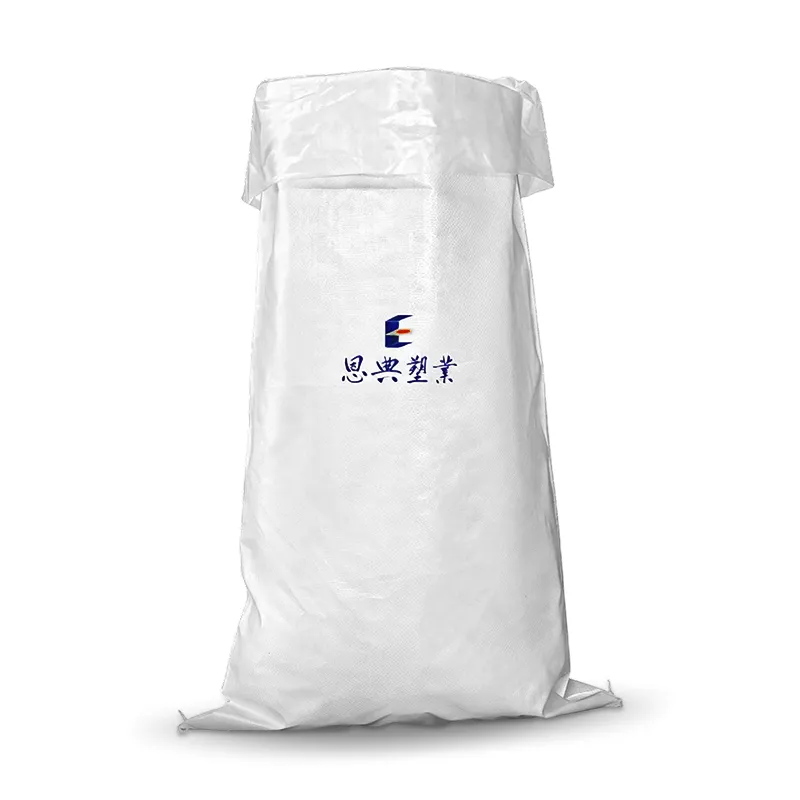
Understanding the Composition of PP Woven Bags and Their Advantages
Composition of PP Woven Bags
At the heart of PP woven bags is polypropylene, a thermoplastic polymer known for its strength, flexibility, and resistance to various chemicals. Polypropylene is created through the polymerization of propylene monomers, and the resulting material can be woven into fabric-like sheets thanks to its elongated molecular structure. This fibrous arrangement forms the basis of PP woven bags.
The process of manufacturing these bags includes weaving polypropylene strands into a fabric, which is then formed into bags of various sizes and shapes. The woven fabric's structure is akin to a durable net, allowing it to withstand substantial weight while maintaining breathability. The primary characteristics that contribute to the functionality of PP woven bags include:
Tensile Strength: The fibers in PP woven bags are designed to provide high tensile strength, enabling them to support significant loads without tearing or ripping. This quality is particularly essential for storing heavy fertilizers and chemicals that can weigh considerable amounts.
Lightweight Yet Sturdy: Despite their robust nature, PP woven bags are lightweight, making them easy to handle and transport. This combination of sturdiness and manageability is crucial for agricultural and industrial applications, where bulk handling is common.
Chemical Resistance: The chemical makeup of polypropylene grants these bags inherent resistance to various chemicals, acids, and bases. This characteristic is vital when storing fertilizers, which can sometimes react adversely with conventional materials. Using PP woven bags helps mitigate such risks and maintains the integrity of both the bag and its contents.
Water Resistance: Although PP woven bags can absorb moisture over time, they are generally resistant to water, which makes them suitable for protecting fertilizers and chemicals that must be kept dry. It’s important to note that some manufacturers treat their bags with additional coatings, enhancing water resistance even further.
UV Resistance: For outdoor storage, UV resistance is a crucial attribute. Prolonged exposure to sunlight can degrade materials, but PP woven bags can be manufactured with UV stabilizers to protect them from sun damage, ensuring they perform effectively even under harsh conditions.
Advantages of PP Woven Bags
The combination of the aforementioned characteristics leads to several significant advantages of PP woven bags, especially when used for fertilizer and chemical storage:
Durability and Longevity: The robustness of PP woven bags means they are less prone to wear and tear, increasing their lifespan significantly compared to conventional bags such as paper or plastic. This durability is vital for industries where storage periods can be long, minimizing the need for frequent replacements.
Versatility: PP woven bags are adaptable for various applications beyond fertilizers and chemicals. They can be used for food products, pet food, building materials, and more, making them a versatile packaging solution.
Cost-Effectiveness: While the initial investment in PP woven bags may be higher than lower-quality alternatives, their longevity and durability bring significant cost savings over time. Less frequent replacements and reduced spoilage of contents due to superior protection contribute to a more economical choice.
Sustainability: Polypropylene can be recycled, and many manufacturers are exploring ways to make their production processes more sustainable. By choosing PP woven bags, companies can make environmentally conscious decisions alongside enhancing product storage capacity.
Customization Options: Manufacturers can design PP woven bags to meet specific needs, from size and shape to branding options such as colors and printing. This customization is beneficial for businesses looking to maintain a cohesive brand identity across their packaging solutions.
In conclusion, the unique composition and inherent advantages of PP woven bags render them an excellent choice for the secure and effective storage of fertilizers and chemicals. Their durability, strength, and adaptability have made them a preferred option in various industries, ensuring materials are contained safely and efficiently.
Evaluating the Durability of PP Woven Bags Against Environmental Factors
UV Resistance and Sunlight Exposure
Temperature Extremes
Temperature fluctuations can also play a pivotal role in influencing the durability of PP woven bags. Exposure to extreme temperatures, whether hot or cold, can lead to the alteration of the physical properties of the polypropylene material. High temperatures may soften the plastic, leading to issues like deformation under load, while freezing temperatures can result in increased brittleness. Manufacturers of PP woven bags often specify a temperature range suitable for storage applications; understanding these parameters ensures that end-users can maximize the lifespan of their bags. Additionally, incorporating thermal protective coatings can further bolster the resilience of these bags against temperature extremes.
Moisture and Humidity
The interactions between moisture, humidity, and PP woven bags can significantly affect their efficacy, particularly when used for storing fertilizers and chemicals, which are often hygroscopic and sensitive to moisture. Prolonged exposure to high humidity conditions may lead to mold growth on the surface of the bags, while water infiltration can compromise the contents, particularly if the bags are not properly sealed. While PP woven bags themselves are resistant to moisture, it is crucial to consider the bag design, including the effectiveness of seams and closures, to prevent any potential leakage. Furthermore, adding a moisture barrier to the interior of the bag can offer enhanced protection against damp environments, ensuring the stored materials remain unaffected.
Chemical Resistance
Fertilizers and various chemicals can be aggressive and corrosive, presenting yet another challenge in the evaluation of the durability of PP woven bags. The inherent chemical resistance of polypropylene offers a significant advantage, but it is essential to consider the specific chemicals being stored. Certain acids, bases, or solvents can permeate or degrade the bag if retained for extended periods. Understanding the compatibility of PP woven bags with specific chemicals is critical to prevent material failure. For highly corrosive substances, manufacturers may offer specialized coatings or treatments to further enhance resilience.
Load Capacity and Stress Resistance
In assessing durability, the load-bearing capacity of PP woven bags is equally important. These bags are frequently used to transport heavy materials, such as fertilizers, which can exert significant stress on the bag’s structure. It is imperative to choose bags that are engineered for the intended load while also considering factors such as the stitching and seam strength. Reinforced edges and heavy-duty designs can provide added security against tearing or splitting, extending the functional life of the bags during transportation and storage.
In summarizing the durability evaluation of PP woven bags against environmental factors, it is apparent that while these bags offer impressive resilience, their longevity is significantly influenced by UV exposure, temperature extremes, moisture presence, chemical interactions, and load stresses. The strategic selection of design features and materials can help mitigate potential issues, ensuring their effectiveness in applications requiring the storage of fertilizers and chemicals. Continuous advancements in manufacturing techniques, including the incorporation of stabilizers, protective coatings, and reinforced structures, will likely enhance the durability and reliability of PP woven bags in the face of various environmental challenges. This makes them an increasingly appealing option for industries that demand robust packaging solutions capable of withstanding the rigors of diverse conditions.
Comparing PP Woven Bags to Other Packaging Materials for Fertilizer and Chemicals
In the world of agricultural and industrial products, the choice of packaging materials can significantly impact the effectiveness, safety, and environmental sustainability of the products being stored and transported. Polypropylene (PP) woven bags have gained considerable popularity as a packaging solution for fertilizers and chemicals. However, to understand their advantages, it is essential to compare them with other commonly used packaging materials such as paper bags, plastic bags, and bulk containers.
1. Material Composition and Properties
PP Woven Bags are made from polypropylene, a robust thermoplastic polymer known for its strength and resistance to various environmental factors. These bags are created through the weaving of polypropylene fibers, which gives them a unique mesh-like structure. This design not only enhances durability but also provides a degree of breathability, which is crucial in preventing moisture buildup—a significant factor when storing fertilizers that can be hygroscopic.
In contrast, paper bags, while biodegradable and more environmentally friendly, lack the tensile strength needed to carry heavy loads without risk of tearing. They are also more susceptible to moisture, which can compromise the integrity of the stored product. Traditional plastic bags, often made from low-density polyethylene (LDPE), offer good moisture resistance but can be less durable over time, especially under UV exposure. Unlike PP woven bags, they do not maintain structural integrity under heavy weights, which can result in costly spills.
2. Strength and Durability
When it comes to strength and durability, PP Woven Bags stand out in comparison to other materials. Fertilizers and chemicals can be heavy and the packaging must withstand not just the weight, but also the stresses of transportation and storage, which may include stacking and shifting. PP woven bags are designed to hold a significant amount of weight without tearing or ripping, making them ideal for these applications.
Paper bags may become weak when subjected to moisture or heavy handling, resulting in frequent breakages and loss of product, which can lead to economic losses. Plastic bags fail to provide the same level of strength, leading to an increased risk of contamination when they rip. PP Woven Bags, with their high tensile strength, provide a reliable solution that minimizes waste and increases overall efficiency when transporting fertilizers and chemicals.
3. Resistance to Chemical Reaction
Another critical factor in choosing packaging for fertilizers and chemicals is the material's resistance to chemical interactions. PP woven bags are not only durable but also have excellent resistance to a wide range of acids and alkalis. This characteristic ensures that the contents remain safe and uncontaminated, reducing the risk of chemical reactions that could compromise product efficacy.
On the other hand, paper bags are often lined with a plastic coating to provide some level of moisture and chemical barrier; however, this can complicate the recycling process and does not always offer sufficient protection. Traditional plastic bags, while resistant to moisture, often cannot withstand harsher chemical environments, which can lead to leaching and contamination concerns.
4. Environmental Impact and Sustainability
In recent years, the focus on sustainable practices has intensified, prompting manufacturers and consumers to consider the environmental impact of their packaging choices. While paper bags are often perceived as the more eco-friendly option, the production processes for paper can be resource-intensive. Conversely, PP woven bags offer a more sustainable approach when considering their longevity and reusability. They can be recycled, and when disposed of properly, they can reduce landfill waste.
Moreover, the manufacturing of PP woven bags generates fewer greenhouse gases compared to paper and other plastic alternatives, contributing to a lower overall carbon footprint. This balance between durability and sustainability makes PP woven bags an excellent choice for those looking to reduce their environmental impact while ensuring product safety.
5. Cost-effectiveness
Cost is always a consideration in packaging decisions. Generally, PP woven bags are more cost-effective in the long run due to their durability and strength. While the upfront costs may sometimes be higher than paper or plastic bags, the reduced need for replacements, along with the lowered risk of product loss and the potential for recycling, contribute to overall cost savings.
In summary, PP woven bags provide a formidable solution for packaging fertilizers and chemicals when compared to other materials. Their strength and durability ensure safe storage and transport, while their chemical resistance protects the integrity of the contents. Additionally, their environmental benefits and cost-effectiveness further solidify their position as the preferred choice in the agricultural and industrial sectors. As industries strive for efficiency and sustainability, PP woven bags stand out as a practical and reliable packaging option amidst an array of alternatives.
Real-World Case Studies: PP Woven Bags in Agricultural and Industrial Usage
Agriculture: Fertilizer Storage and Transportation
In the agricultural sector, where proper handling and storage of materials are critical, PP woven bags provide an optimal solution. A notable case study comes from a large agricultural cooperative in India that produces and distributes fertilizers. Prior to transitioning to PP woven bags, the cooperative relied on traditional paper bags, which often degraded under humid conditions and failed to protect the contents effectively.
After switching to PP woven bags, the cooperative reported a marked increase in efficiency and product safety. One major advantage of these bags is their moisture resistance. Designed to withstand varying environmental conditions, PP woven bags prevent moisture absorption, which could otherwise lead to the clumping and spoilage of fertilizers. The cooperative found that the sturdy construction of the bags allowed for stacking in warehouses without the risk of tearing, thereby optimizing storage space.
Furthermore, these bags can be printed with detailed product information and branding, enhancing visibility in the marketplace. The colorful, eye-catching designs on the PP woven bags helped to boost sales, as consumers were drawn to the reliable appearance and assurance that the product was safely contained. This real-world application demonstrates how PP woven bags not only protect the product but also serve as a marketing tool.
Industrial Applications: Chemical Storage
In the industrial sector, PP woven bags have found vital applications in the storage and transportation of various chemicals. One illustrative example involves a chemical manufacturing company based in Brazil that needed a reliable solution for packaging their powdered chemicals. Initially, the company experienced significant product loss due to bag punctures and inadequate sealing, resulting in contamination and unsellable products.
By implementing PP woven bags with customized features such as added UV stabilizers to enhance durability against sunlight exposure, the company observed a remarkable reduction in product losses during transit and storage. The reinforced structure of these bags allowed them to withstand rough handling and harsh conditions without compromising the integrity of the chemical contents. Moreover, the bags are designed to be recyclable, aligning the company’s objectives with sustainable practices.
The chemical company also benefited from the lightweight nature of PP woven bags, reducing transportation costs without sacrificing the volume of chemicals stored. The ease of handling and stacking also improved worker efficiency in loading and unloading cargo. Overall, this case study illustrates how the robust characteristics of PP woven bags can enhance operational efficiency in industrial settings.
Environmental Considerations
While durability and protection are paramount, environmental sustainability has become an increasingly relevant concern in both agriculture and industry. Many businesses are adopting PP woven bags made from recycled materials or those that can be recycled post-use. A notable example can be found in a European agricultural firm that has begun using eco-friendly PP woven bags for organic fertilizers. These bags are not only durable but also align with the firm’s commitment to sustainability, as they reduce waste and promote a circular economy.
The real-world examples of PP woven bags in agricultural and industrial applications underline their significant role in enhancing storage and transportation efficiency. With their remarkable durability, moisture resistance, and ease of handling, these bags have proven to be a vital asset in managing agricultural inputs like fertilizers and various industrial chemicals. Moreover, the shift towards sustainable practices associated with PP woven bags reflects a growing awareness of environmental stewardship across industries. As businesses continue to explore innovative packaging solutions, the adoption of PP woven bags is set to expand further, transforming challenges into opportunities for efficiency and sustainability in the marketplace.
Best Practices for Storing Fertilizers and Chemicals in PP Woven Bags
1. Choosing the Right PP Woven Bags
To start, it is vital to select high-quality PP woven bags that are designed specifically for chemical and fertilizer storage. Look for bags that are UV-stabilized, as exposure to sunlight can weaken the material. Additionally, bags should be thick enough to resist tearing and punctures, as fertilizers and chemicals can be abrasive. A denier measurement of at least 1000 is often recommended for this purpose, providing an extra layer of strength to withstand rough handling and storage conditions.
2. Proper Sealing Techniques
Once filled with fertilizers or chemicals, PP woven bags should be sealed correctly to prevent leakage or contamination. The top of the bag can be securely tied or sewn shut, depending on the type of material and transport needs. For added integrity, consider using heat sealing techniques, which provide an airtight closure and help to preserve the contents from moisture and pests. Ensure that sealing methods are appropriate for the specific chemical properties of the stored materials.
3. Storage Environment Considerations
The environment in which PP woven bags are stored is crucial for maintaining the effectiveness of fertilizers and chemicals. Ideal storage conditions include a cool, dry place, protected from extreme temperatures, moisture, and direct sunlight. Since many fertilizers and chemicals can degrade under high humidity or thermal conditions, monitoring temperature and humidity levels becomes essential. Utilize dehumidifiers and temperature regulators if necessary to maintain an optimal storage environment.
4. Labeling and Documentation
Every bag containing fertilizers or chemicals should be clearly labeled with its contents, hazard classifications, and expiration date. This practice not only ensures safe handling but also facilitates inventory management. Utilize durable, waterproof labels that can withstand environmental conditions without fading or peeling. Additionally, keep a log of quantities and types of materials stored for easy tracking and compliance with safety regulations.
5. Regular Inspections
Routine inspections of stored PP woven bags are vital in ensuring the integrity of both the bags and their contents. It’s advisable to periodically check for signs of tearing, moisture infiltration, or pest infestations. Early detection of such issues can prevent significant losses and mitigate safety hazards. Create a schedule for inspections, ideally before each growing season or before using the stored materials, to ensure ongoing quality and safety.
6. Avoiding Cross-Contamination
When storing different types of fertilizers and chemicals, it is essential to avoid cross-contamination. Store bags of incompatible materials separately and clearly label storage areas. Implement a color-coding system or utilize specific areas within a warehouse to delineate different products. This best practice helps maintain the chemical integrity of each substance and minimizes the risk of accidental mixing, which could lead to hazardous reactions.
7. Safety Measures and Employee Training
With the handling and storage of fertilizers and chemicals in PP woven bags, safety measures must be a top priority. Ensure that all staff involved in the storage and handling processes are adequately trained on best practices, including proper handling techniques and emergency procedures. Equip storage areas with appropriate safety gear such as gloves, masks, and eyewash stations. Regular safety drills help create a culture of awareness and preparedness around chemical storage.
8. Recycling and Disposal of PP Woven Bags
After use, it is essential to consider the disposal or recycling of worn PP woven bags to support environmental sustainability. Educate staff on proper disposal methods and local recycling initiatives. Utilizing recyclable bags can significantly reduce landfill waste and promote a greener approach to agricultural and industrial practices.
Implementing these best practices for storing fertilizers and chemicals in PP woven bags can significantly enhance safety, efficiency, and product quality. As PP woven bags continue to prove their durability and reliability, adhering to these guidelines ensures that agricultural and chemical materials are managed responsibly and effectively. By prioritizing proper storage techniques, we can maximize the benefits of these versatile containers and contribute to a safer, more sustainable future in the industry.
Conclusion
In conclusion, after exploring the various aspects of PP woven bags, it's clear that they stand as a durable and reliable option for storing fertilizers and chemicals. With our 20 years of experience in the industry, we have witnessed the evolution of these bags and their increasing efficacy in safeguarding contents against moisture, chemicals, and pests. As environmental concerns grow, PP woven bags also offer the advantage of being recyclable, aligning with sustainable practices that are crucial for our planet's future. As you consider your storage needs, remember that the choice of packaging is vital for product integrity and safety. With our expertise, we are confident that PP woven bags can meet the demanding requirements of your operation. Trust in their resilience and sustainability, and let's continue the journey toward efficient and responsible storage solutions together.
Table of Contents
GET IN TOUCH WITH Us
recommended articles
Global Leading Custom Flexible Packaging Manufacturer
Find Us Here
Contact Person: Shelly Mei
Phone: +86 18677149320
WhatsApp: 18076562999
Copyright © 2026 | Nanning Endian Plastic Packaging Co., Ltd. Sitemap